Experimental instruments: sounds a keyboard cannot make
These instruments are built around unusual ways of creating or controlling sound. Our range holds 17 experimental instruments from 8 brands.
What counts as experimental
Theremins played by moving your hands near antennas
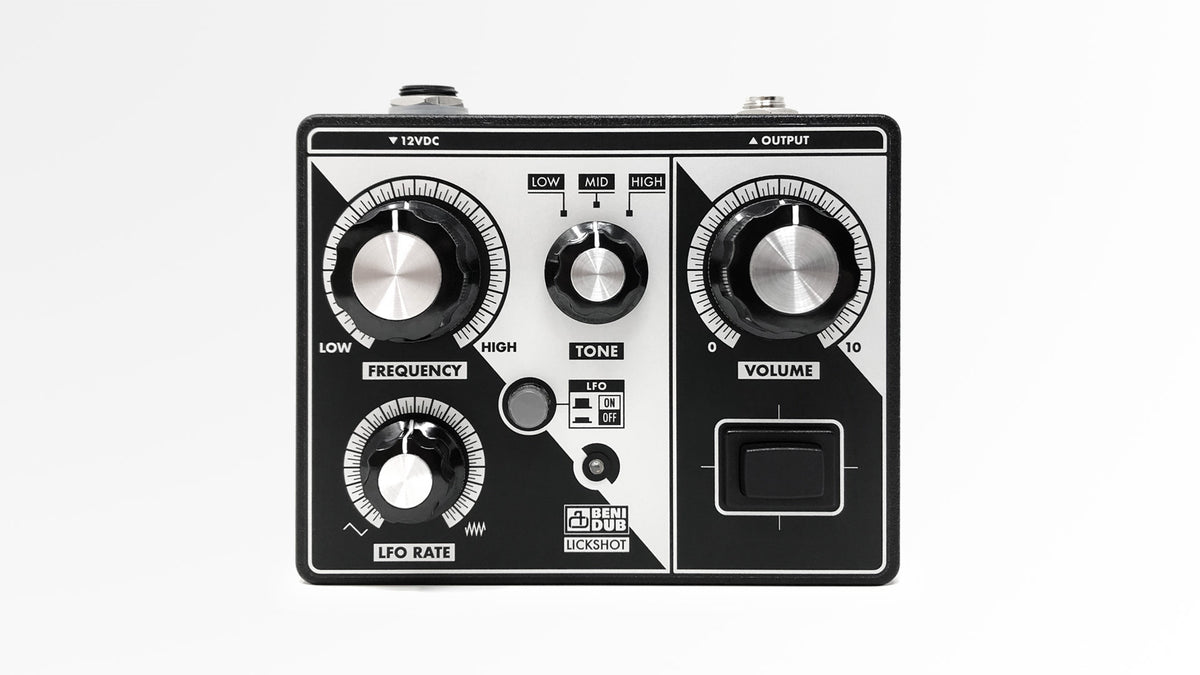
Dub sirens and effect generators for sound system culture
Noise boxes, circuit-bent and lo-fi devices
Electromagnetic, resonator and feedback-based instruments
How they are used
Experimental instruments add texture, surprise and character. Producers use them for one-off sounds and transitions, live performers for improvisation, sound designers for film and games. Most sound best through delay, reverb and distortion.
Connecting them
Check whether the instrument has a built-in speaker, a line output or CV connections. Many small instruments run on batteries and output at a low level, so a mixer or preamp channel helps.
Before you buy
Check outputs and level
Check power: battery or adapter
Look for CV or MIDI to integrate it
Plan effects such as delay and reverb
Frequently asked questions
Are experimental instruments hard to play?
Many are easy to start with and reward exploration rather than technique.
Can I use them with my synths?
Many have CV, MIDI or audio inputs and outputs; check each product page.
Do they need an amplifier?
Some have a speaker; most sound best through an amp, mixer or audio interface.