





Buying guide
Ribbon microphones: a buyer's guide
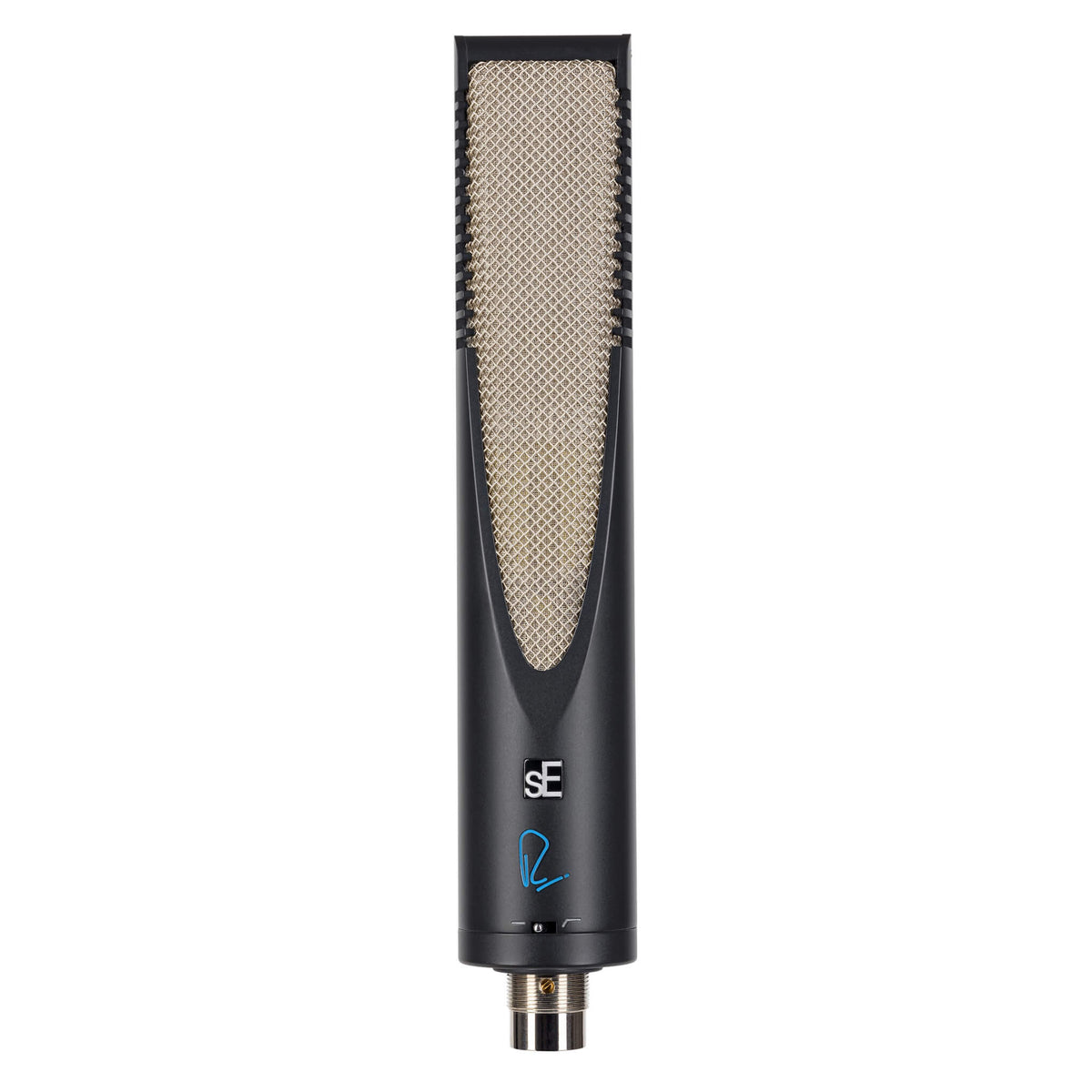
Ribbon microphones hear the world in a smooth, natural way that many engineers describe as close to what the ear hears. We stock 14 of them from 4 brands, including .
Before you buy
- Check how much clean gain your preamp provides
- Read the manufacturer's guidance on phantom power
- Decide between passive and active ribbon
- Plan a sturdy stand and a protective cover
- Keep ribbons away from strong blasts of air
Frequently asked questions
What is a ribbon microphone good for?
Guitar cabinets, brass, strings, drum overheads, room sound and vocals that need a smooth top end. Its natural response tames bright or harsh sources.
Will phantom power damage a ribbon microphone?
Modern ribbons usually tolerate phantom power on a correctly wired balanced cable, but faulty cables or patching can damage some designs. Follow the manufacturer's guidance and switch phantom off for passive ribbons if in doubt.
Do ribbon microphones need a special preamp?
Passive ribbons need a preamp with plenty of clean gain and preferably a high input impedance. Active ribbons have their own electronics and work with most preamps.
Are ribbon microphones fragile?
They are more delicate than dynamics. Avoid strong blasts of air, use a pop filter for vocals and store them covered and upright.
Can I use a ribbon microphone on vocals?
Yes. Many singers like their smooth, warm sound. Use a pop filter and enough gain, and remember the rear of a figure-8 also picks up the room.
Can I use a ribbon microphone with my audio interface?
Yes, if the interface preamps have enough clean gain. Active ribbons are easier; passive ribbons may need an inline booster or external preamp.