Audio cables: choosing the right connector and length
Audio cables carry sound between instruments, microphones, interfaces, mixers and speakers. We stock 62 of them from 13 brands, including .
Know your connectors
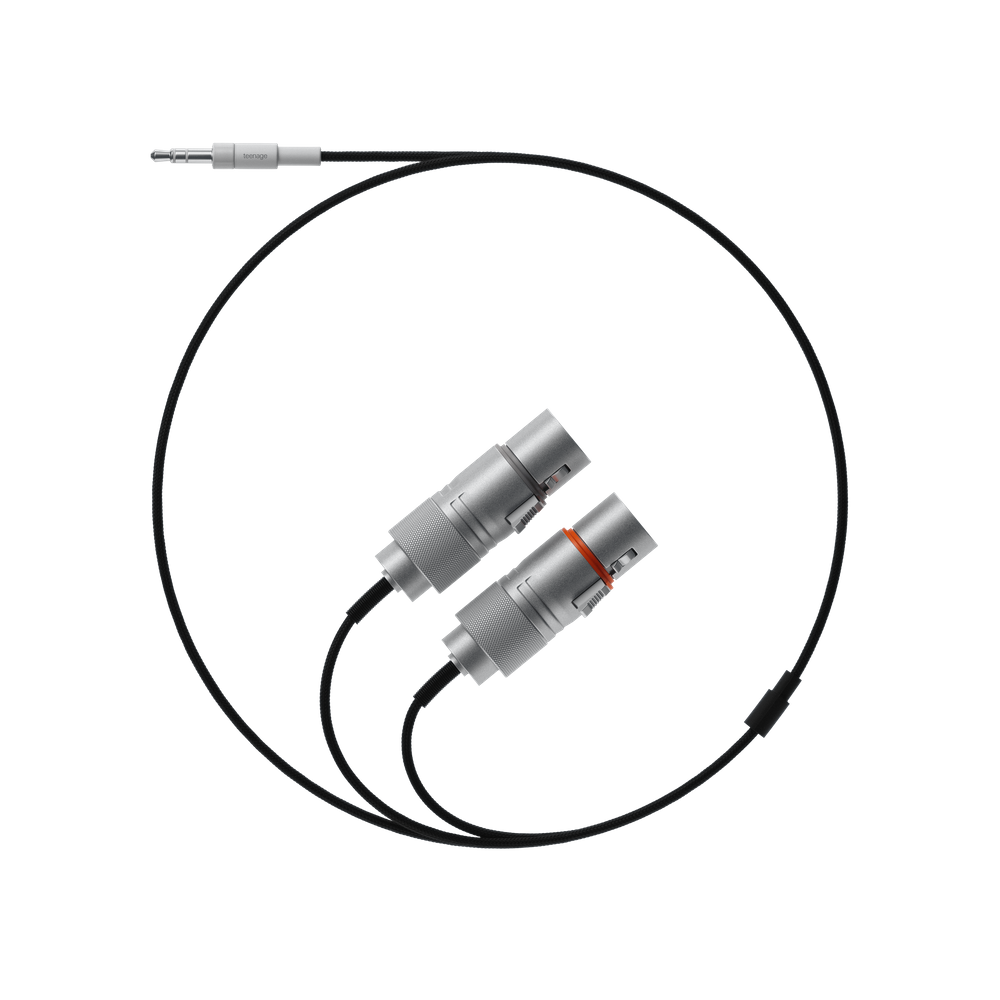
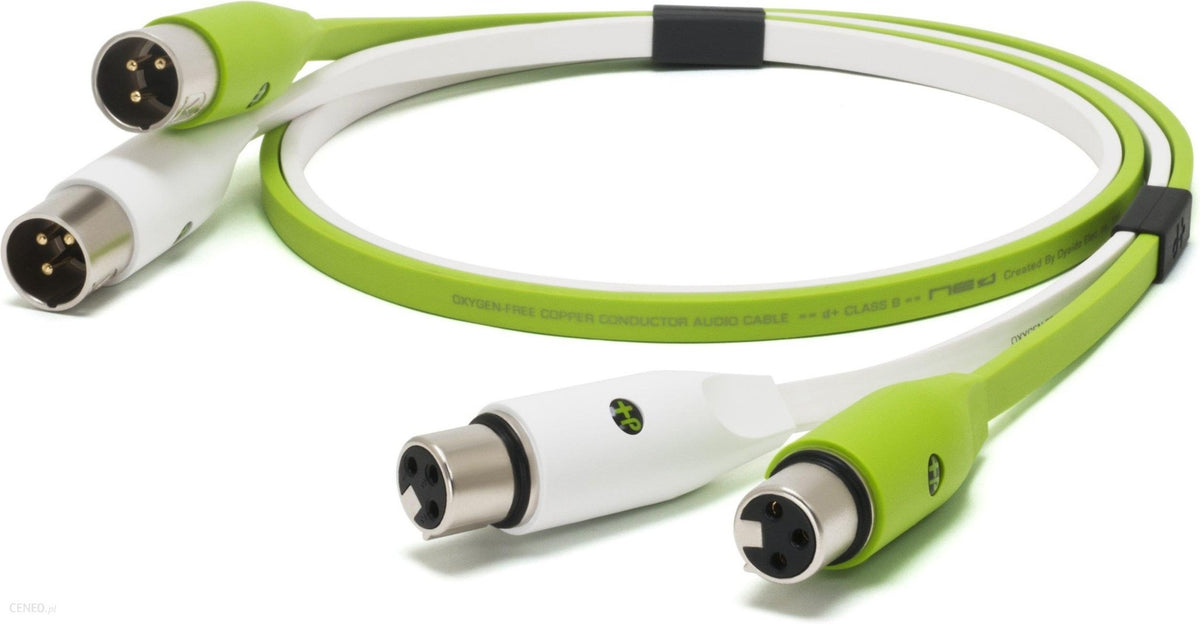
The 6.35 mm jack is used for instruments, line signals and many studio connections. XLR is the standard for microphones and balanced line outputs. RCA (phono) appears on hi-fi, DJ gear and turntables, and 3.5 mm minijacks on compact gear and headphones. Many cables combine two types, such as XLR to jack or RCA to jack.
Balanced or unbalanced
An unbalanced TS cable carries the signal on one conductor plus the shield, which is fine for guitars, pedals and short connections. A balanced cable (TRS or XLR) uses two conductors and lets the receiving device cancel noise picked up along the way. Balanced cables only work as intended when both devices have balanced connections, so check the outputs of your source and the inputs of your interface, mixer or monitors.
Speaker and insert cables
Speaker cables use thicker conductors to carry the power from an amplifier to passive speakers, and they have no shield. Never use them for instrument signals, and never use instrument cables for speakers. Insert cables split a TRS jack into two TS jacks for the send and return of an external processor, and Y-cables combine or split stereo signals.
Build quality
Look for solid connectors, good strain relief and a jacket that coils easily without kinking. Right-angled plugs save space on pedalboards and behind racks. A slightly longer cable is better than one stretched tight, but excess length on unbalanced lines costs top end.
Before you buy
Check the connector type on both devices
Decide between balanced and unbalanced
Choose speaker cable only for amplifier-to-speaker runs
Pick right-angled plugs where space is tight
Buy lengths that reach with a little slack
Frequently asked questions
What cable do I need for studio monitors?
Usually balanced XLR or TRS cables from your interface outputs to the monitor inputs. Check which sockets both have.
Is an XLR cable better than a jack cable?
Not in sound quality: balanced XLR and balanced TRS perform the same. XLR locks in place and is standard for microphones.
What is the difference between a guitar cable and a speaker cable?
A guitar cable is shielded and carries a small signal; a speaker cable is thicker, unshielded and carries amplifier power. They are not interchangeable.
Why does my cable crackle?
Usually a worn connector, a broken conductor near the plug or a dirty socket. Try another cable to find the culprit, and clean the socket with contact cleaner.
Can I use a stereo jack cable for a guitar?
Yes, a TRS cable works in a mono guitar input, but a standard TS cable is the usual and cheaper choice.
How do I connect a turntable or DJ mixer to my speakers?
Most DJ mixers and phono preamps have RCA or balanced outputs; use RCA-to-jack or XLR cables to match the speaker inputs.